
When parents enrol their child in ballet, they often imagine graceful arms, pointed toes and a beautiful concert at the end of the year.
But what happens inside a ballet class — particularly at Gay Wightman School of Ballet — goes far deeper than steps and choreography.
Ballet shapes character.
It builds identity.
It develops resilience.
At every stage of childhood, something profound is happening beneath the surface.
Here is what that really looks like.
Early Primary (Ages 6–8)
The Discipline and Self-Belief Building Stage
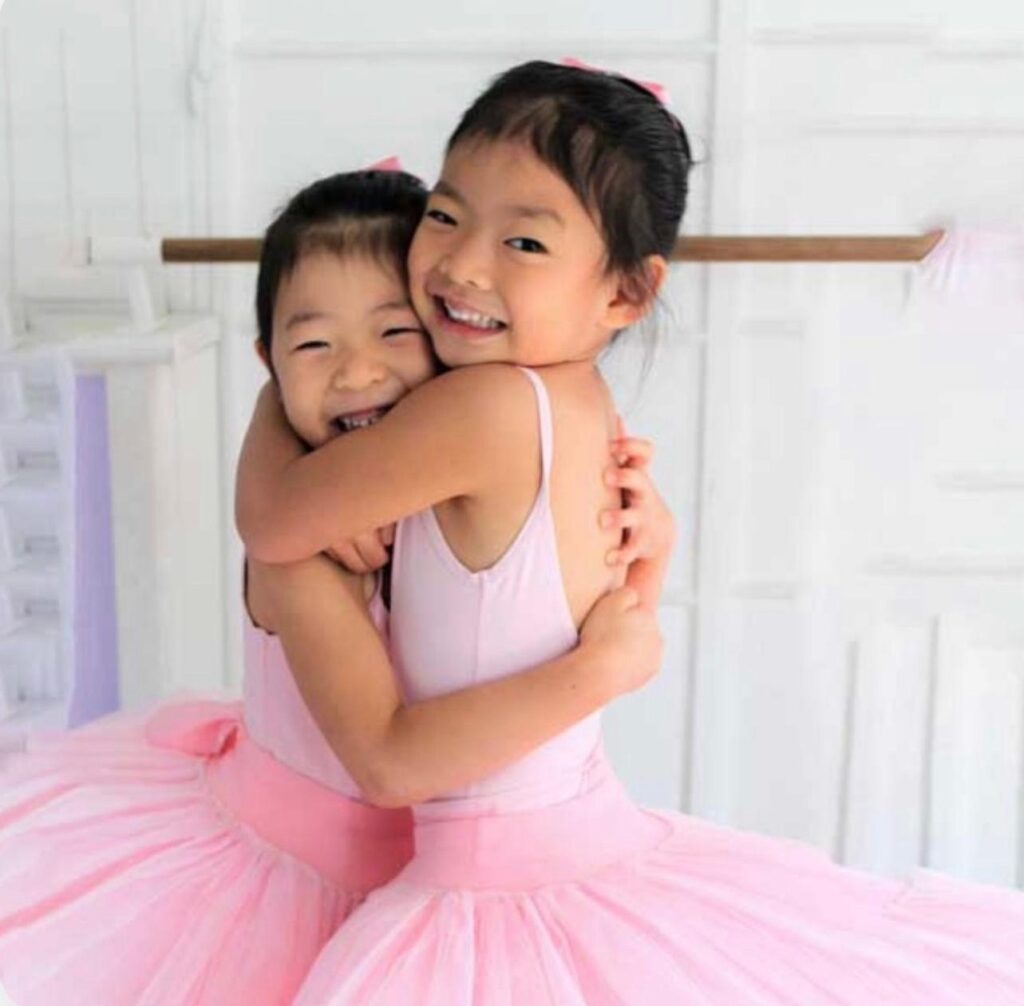
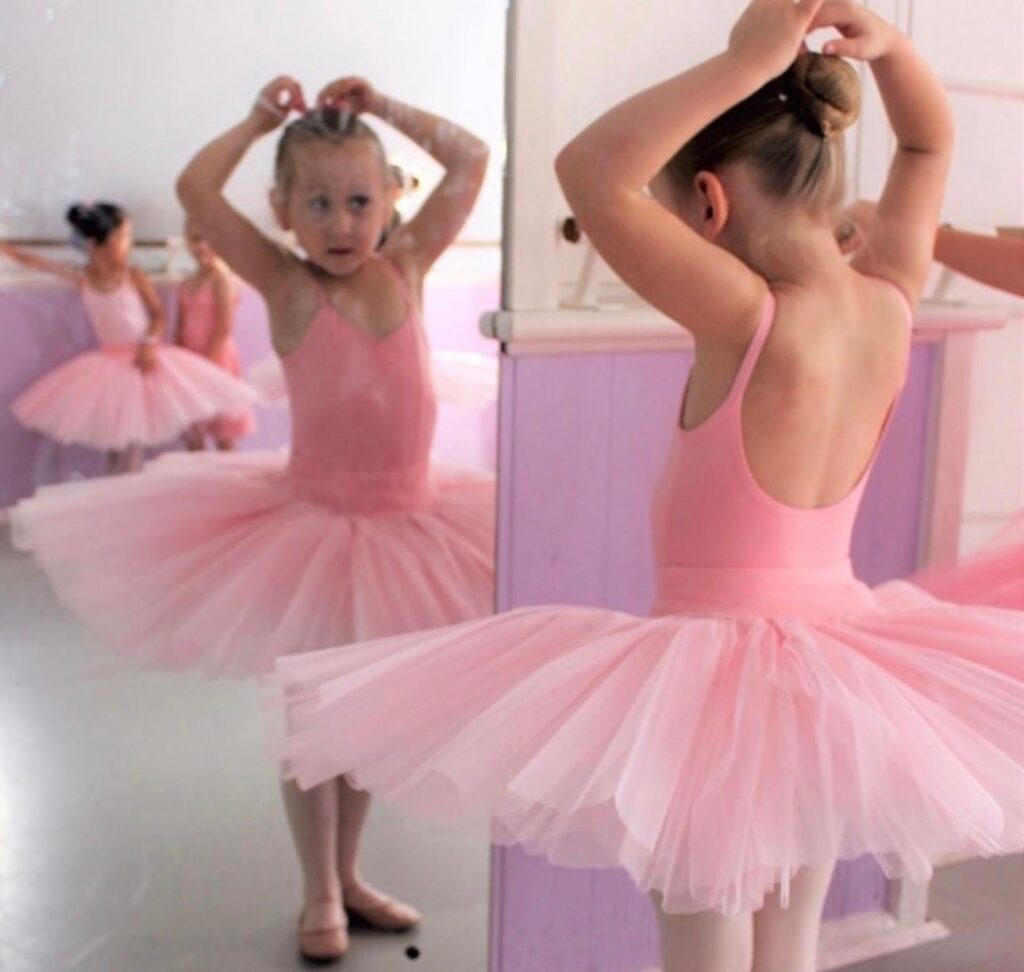
Children in this stage are eager to do well. They seek approval, thrive on routine and are developing competence and responsibility.
In a structured ballet environment, these qualities flourish.
Our Early Primary dancers begin to:
- Take responsibility for arriving prepared and organised
- Develop focus and sustained concentration
- Accept feedback with growing maturity
- Take pride in presentation and posture
- Persevere when learning feels challenging
- Encourage and support their classmates
- Grow in confidence performing in front of others
For many children, this is the first time they truly experience the connection between effort and improvement. They begin to understand that progress comes through discipline and consistency.
Parents often notice a shift — a child who stands taller, concentrates more deeply and takes genuine pride in her achievements.
Late Primary (Ages 9–11)
The Resilience and Identity Strengthening Stage
This is a pivotal developmental period. Children become increasingly self-aware. Comparison begins. Confidence can fluctuate.
Emotional safety becomes critical.
In our Late Primary classes, dancers learn to navigate this stage with strength. They begin to:
- Show resilience when faced with technical challenges
- Develop a strong internal work ethic
- Take ownership of their progress
- Step outside their comfort zone
- Manage performance nerves with composure
- Contribute positively to the culture of the class
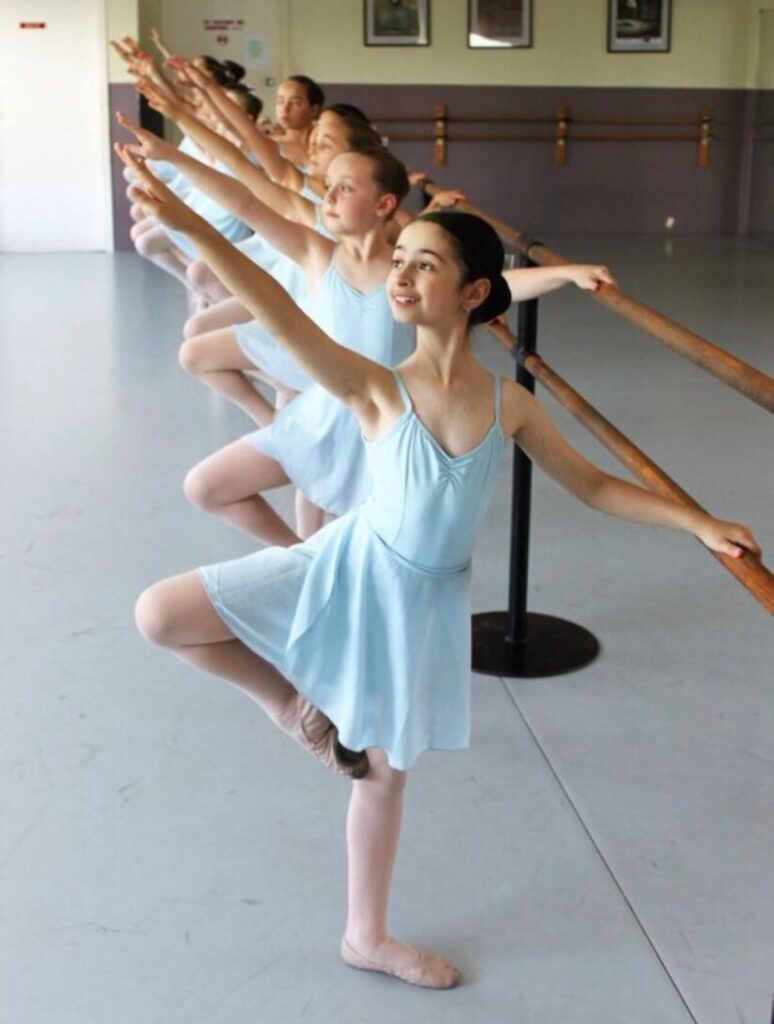
They learn that growth is personal. That setbacks are part of learning. That effort matters more than comparison.
This foundation is invaluable as they move toward adolescence. Parents often tell us they see greater emotional steadiness and self-belief during these years.
Early Adolescence (Ages 12–14)
The Identity and Emotional Intelligence Stage
Early adolescence brings heightened sensitivity, rapid physical changes and a deep desire to belong. It is a critical stage for self-esteem.
Within the consistency of classical training, teenagers find structure and stability.
Our dancers in this stage demonstrate:
- Commitment during a time of significant personal change
- Increasing emotional maturity and self-awareness
- Strength in managing nerves and performance pressure
- Leadership among their peers
- Integrity and accountability in their training
- Confidence in artistic expression
Ballet becomes more than an activity. It becomes a steady framework that supports identity and emotional regulation.
Parents often describe seeing their daughters grow in composure, resilience and quiet confidence.
Mid–Late Adolescence (Ages 15–18)
The Leadership and Purpose Stage
By the senior years, ballet training shapes not only the dancer, but the young adult emerging within.
Our senior students show:
- Exceptional dedication and professionalism
- Leadership and mentorship for younger dancers
- Emotional resilience under pressure
- Initiative and ownership of their training
- Maturity in receiving and implementing feedback
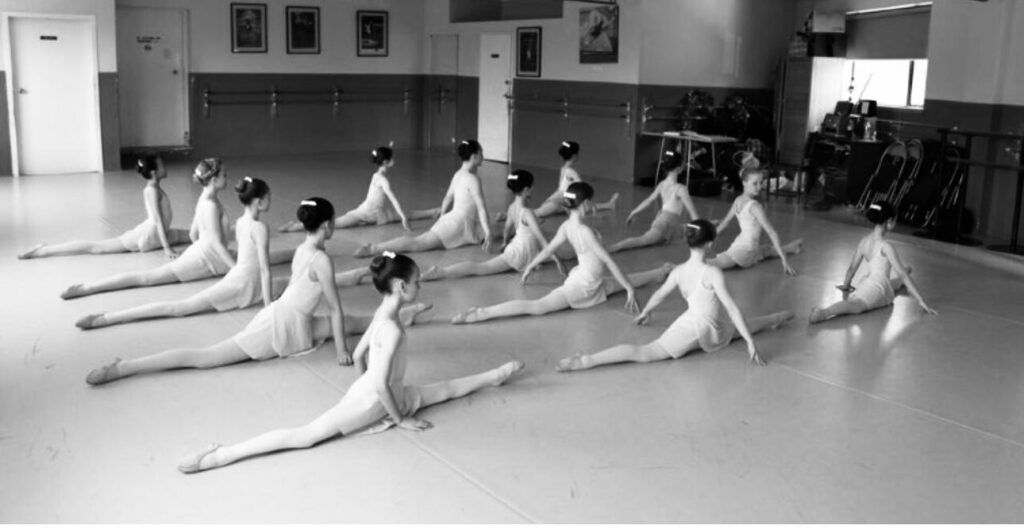
- A calm, focused presence in the studio
The habits developed here extend far beyond dance. Work ethic, discipline and self-direction carry into academic study, career pathways and life.
At this stage, parents often see a young person who is capable, self-motivated and grounded.
The Hidden Curriculum of Dance
Across all ages, classical ballet teaches qualities that are increasingly rare and deeply valuable:
- Delayed gratification
- Respect for authority
- Emotional regulation
- Work ethic
- Social grace
- Perseverance
- Leadership
- Confidence under pressure
- A strong sense of belonging
- A secure identity
These are not incidental outcomes. They are the result of consistent structure, high expectations and a nurturing studio culture.
For more than six decades, Gay Wightman School of Ballet has guided Melbourne families through every stage of childhood and adolescence. Our teachers are trained not only in technique, but in understanding how children grow socially, emotionally and cognitively.
We have seen shy children become confident performers.
We have seen anxious teens grow into composed leaders.
We have seen discipline transform self-belief.
This is why families enrol — and why they stay.
Because ballet is not simply about producing beautiful dancers.
It is about developing strong, resilient and capable young people.
If you are looking for a studio that values character as highly as technique, we would be honoured to welcome your child into our community.