
Children are struggling with confidence more than ever.
You see it in posture, communication, and resilience.
Research shows the problem is real.
- The Australian Institute of Health and Welfare reports that 1 in 7 Australian children aged 4–17 experience mental health challenges.
- The Black Dog Institute highlights rising anxiety in primary-aged children.
- Studies from the American Psychological Association link low confidence with reduced academic performance and social withdrawal.
Confidence is not automatic.
It must be built through structured experiences.
What confidence actually looks like in a child
Confidence is not loud behaviour.
Confidence looks like:
- Standing tall with strong posture
- Trying again after mistakes
- Listening and responding clearly
- Walking into a room without fear
- Taking correction without shutting down
Many children today avoid challenge.
They quit when things feel hard.
That is the real issue.
Why school alone does not build confidence
Schools focus on results and testing.
They do not always build resilience.
Children need environments where:
- Effort matters more than outcome
- Mistakes are expected
- Repetition builds mastery
- Discipline is taught with care
Without this, confidence stays fragile.
How ballet builds real confidence
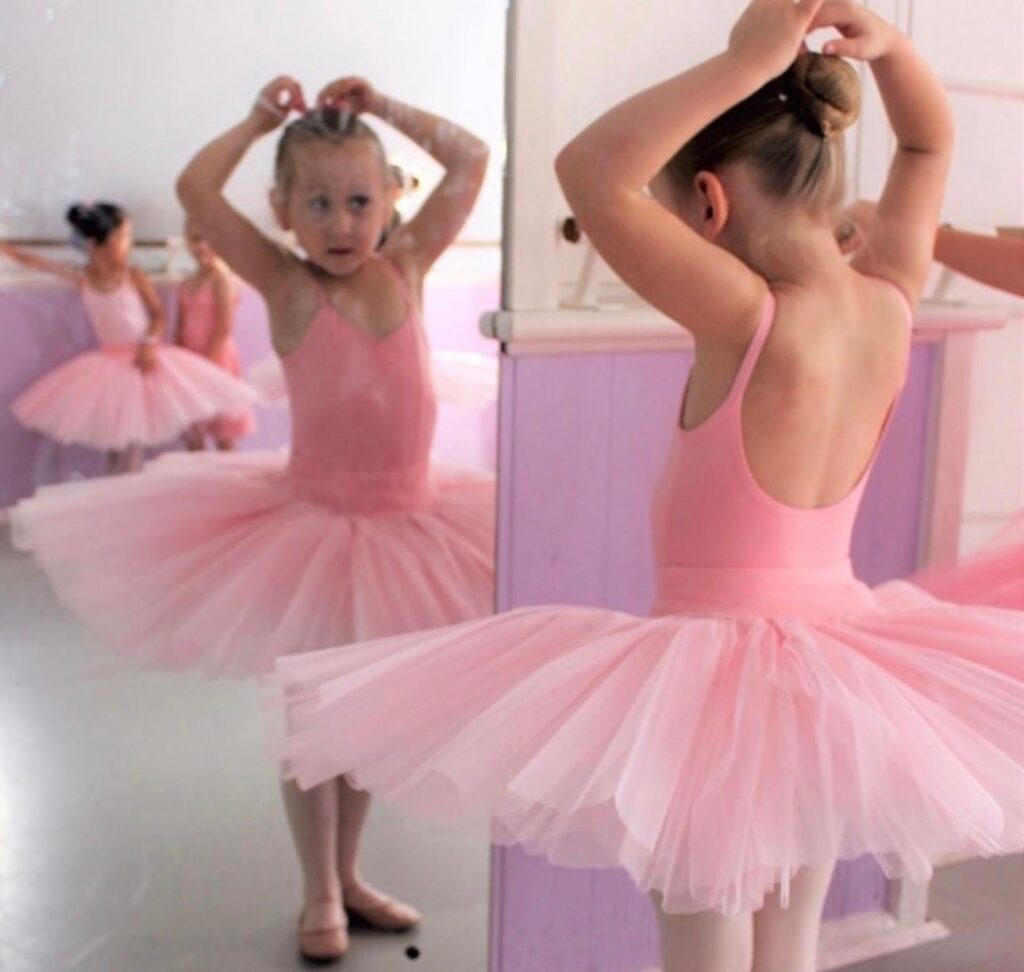
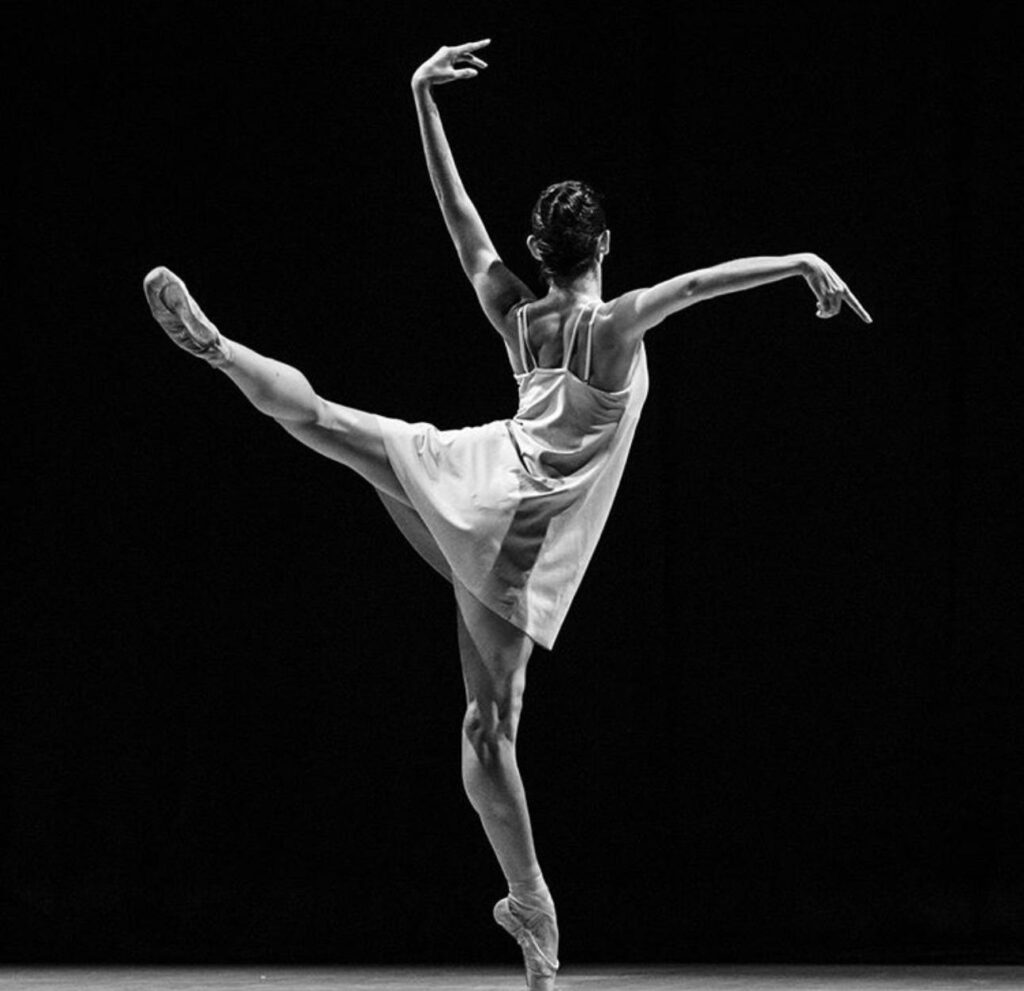
Ballet is one of the most effective tools for confidence building.
It combines physical training, discipline, and emotional growth.
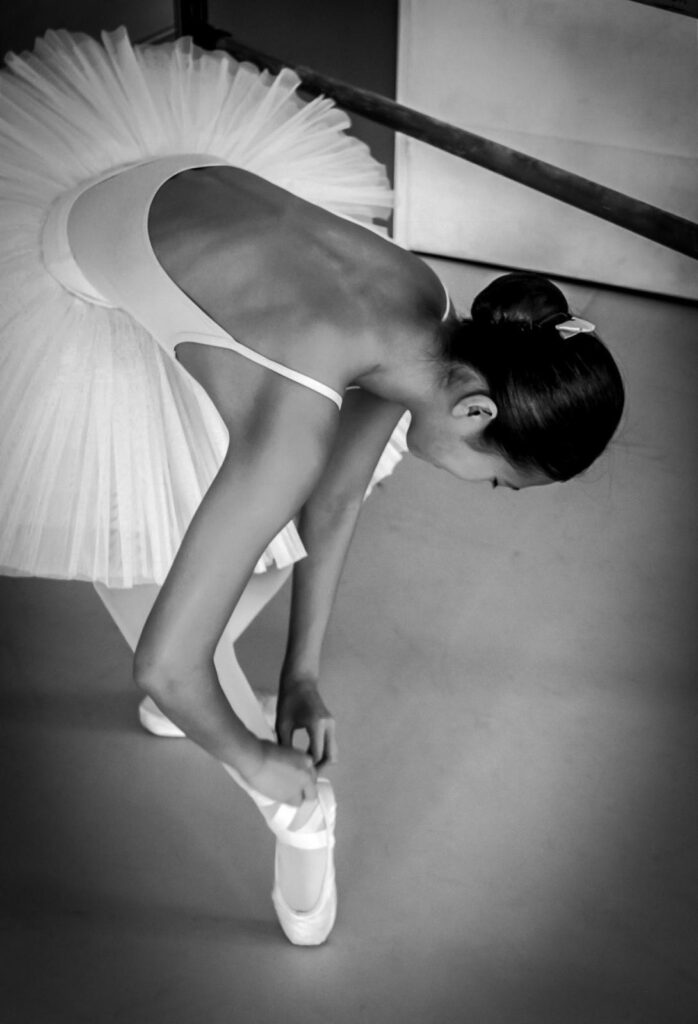
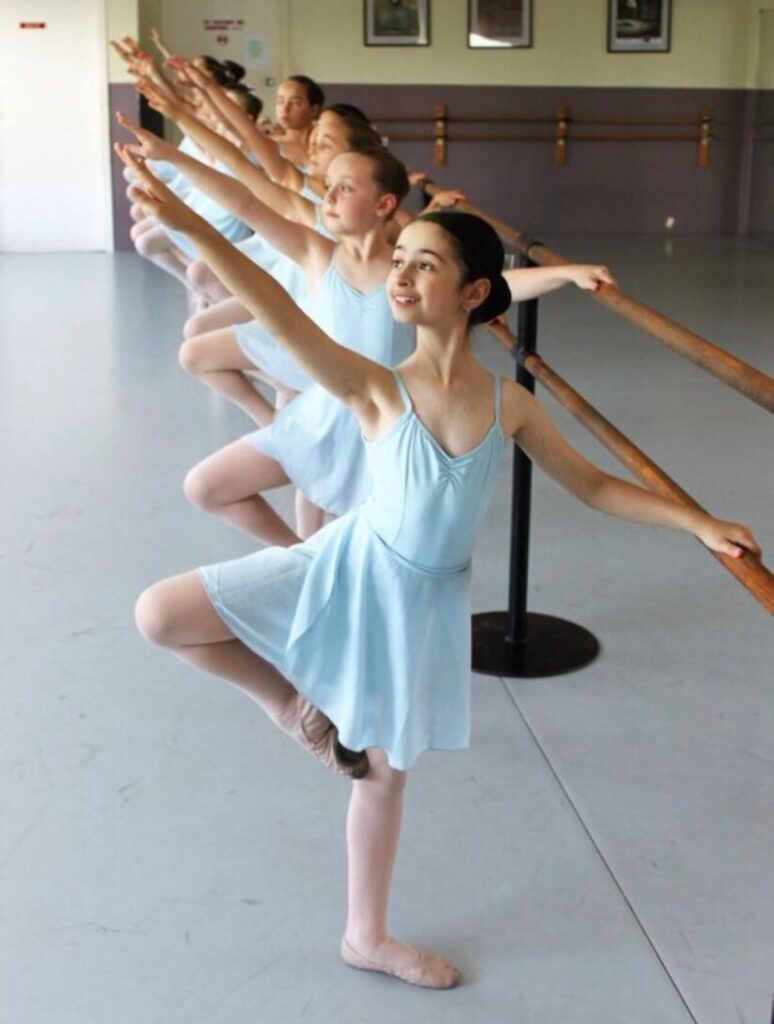
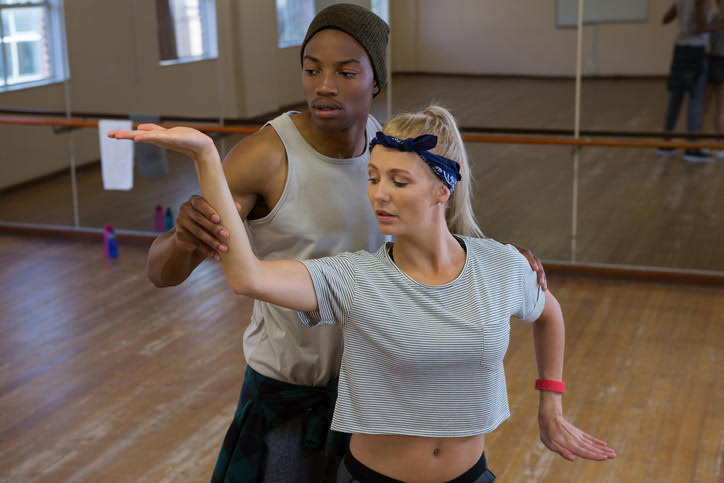
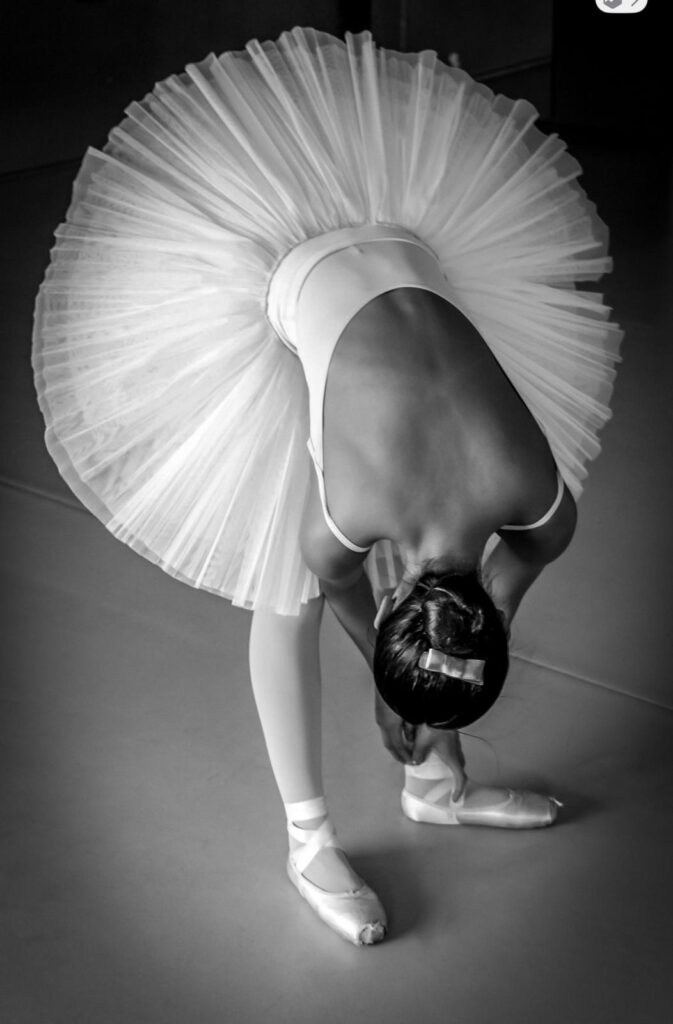
- Posture creates presence
Children learn to stand tall.
They lift through the spine and open the chest.
This changes how they feel instantly.
Research from Harvard University shows body posture directly impacts confidence and mindset.
- Structure creates security
Ballet follows a clear, progressive system.
Children know:
- What to expect
- What they are working towards
- How to improve
This builds certainty.
Certainty builds confidence.
- Correction builds resilience
In ballet, correction is normal.
Children learn:
- Feedback is not failure
- Improvement comes from effort
- Progress takes time
This creates emotional strength.
- Repetition builds mastery
Ballet trains the brain through repetition.
Neuroscience research shows repeated practice strengthens neural pathways.
This improves skill and belief.
Children begin to trust themselves.
- Performance builds courage
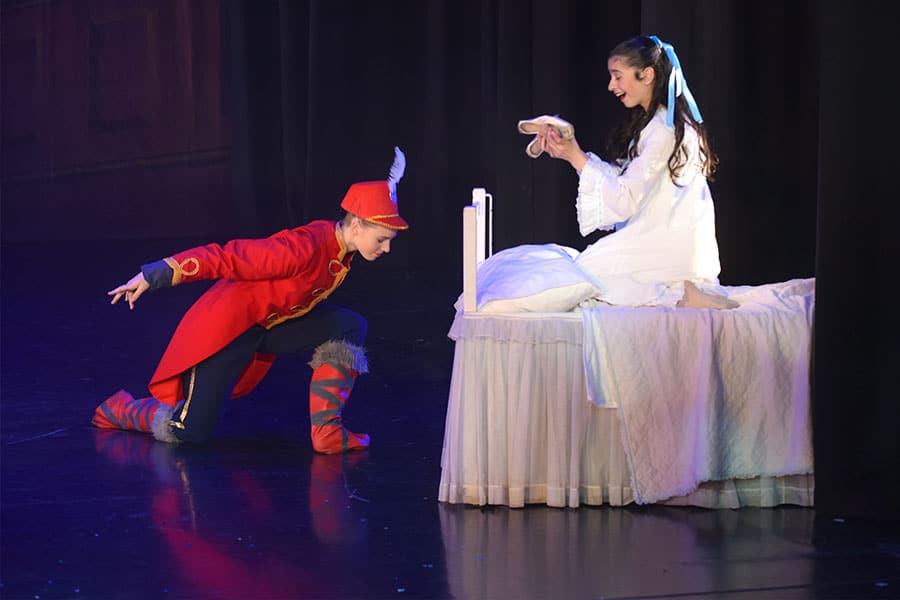
Standing on stage builds real confidence.
Children learn to:
- Manage nerves
- Perform under pressure
- Present themselves with pride
These skills transfer into school and life.
What makes our program different
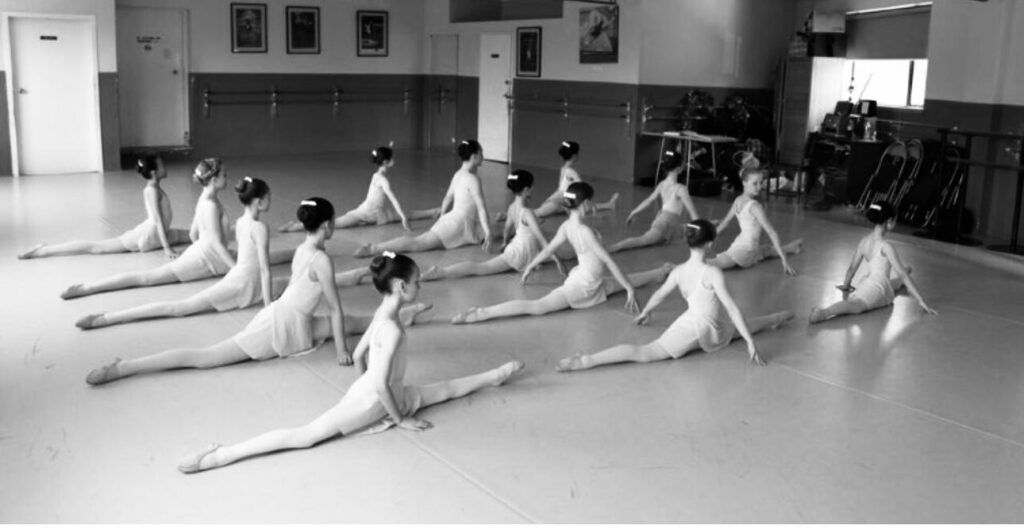
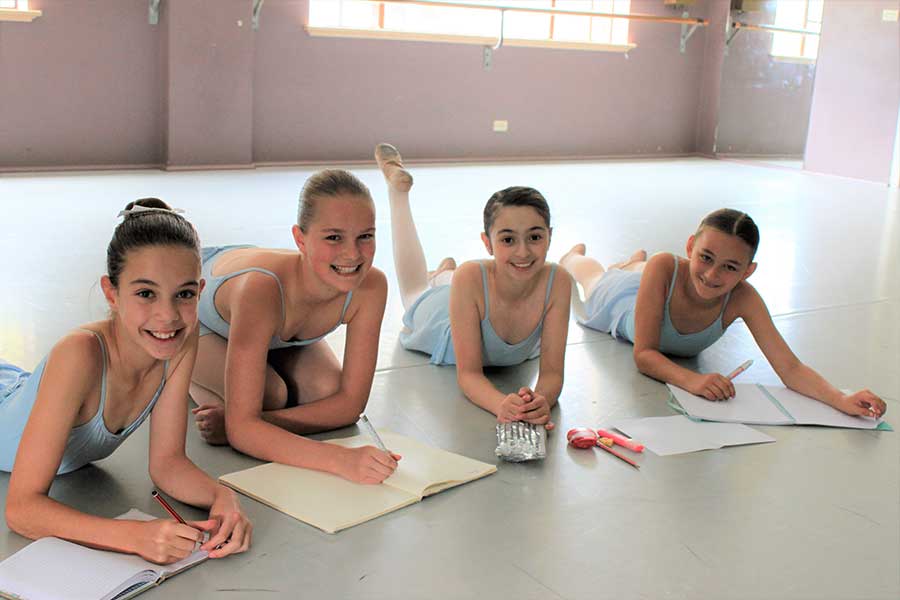
At Gay Wightman School of Ballet, confidence is built with intention.
You get:
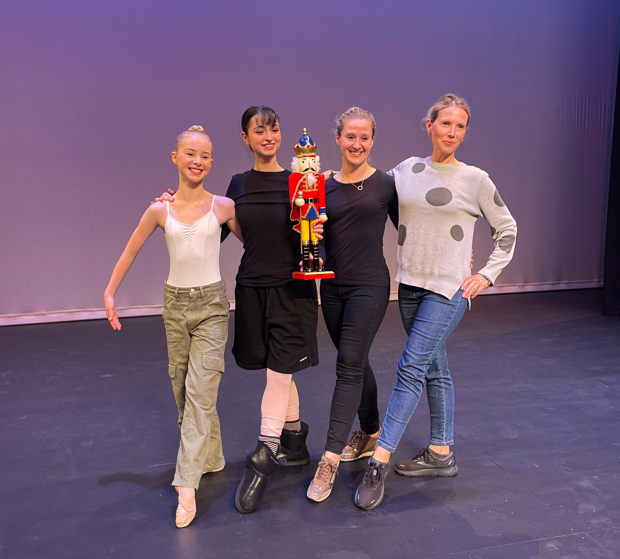
- Teachers trained in child development
- A structured, level-based syllabus
- Clear progression from preschool to advanced levels
- Individual correction and support
- A nurturing and professional environment
We have trained thousands of children.
We see the transformation every day.
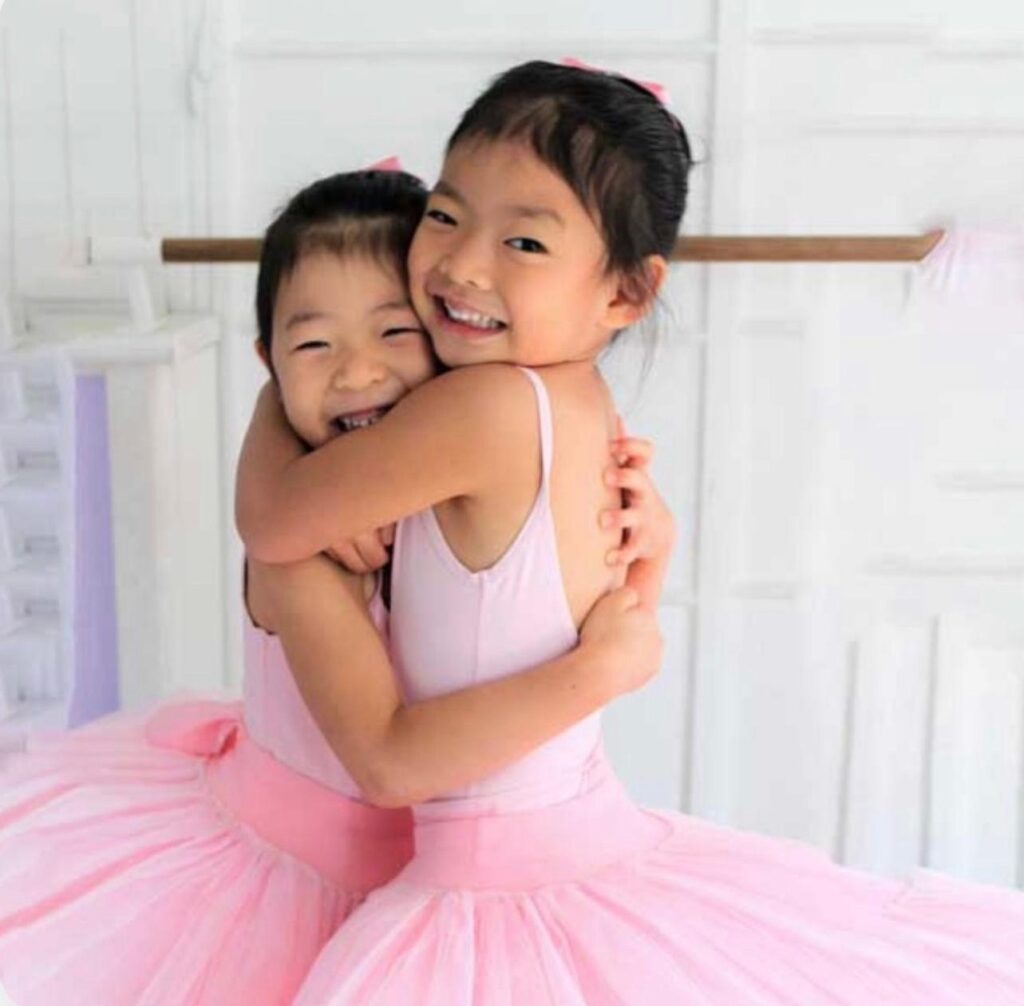
Shy children become strong.
Quiet children find their voice.
Uncertain children become leaders.
Why starting early matters
The early years are critical.
Between ages 2–6, children develop:
- Motor skills
- Social confidence
- Learning patterns
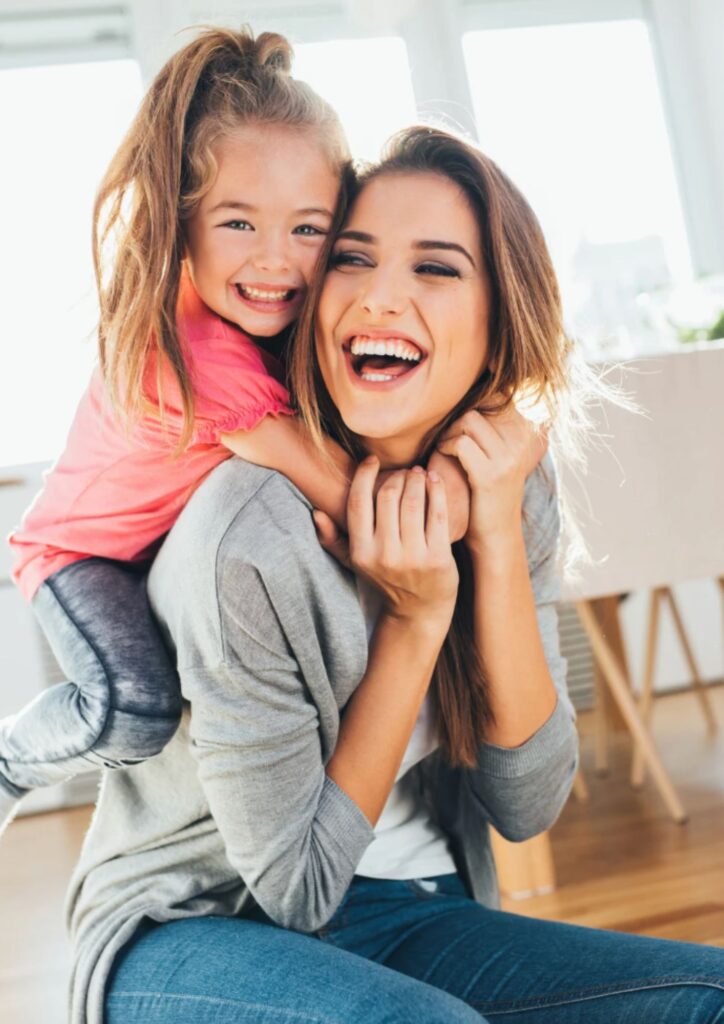
Our Mummy and Me and preschool programs are designed for this stage.
Children who start early:
- Adapt faster
- Build stronger coordination
- Develop confidence sooner
They are ahead before school even begins.
The long-term impact
Confidence built through ballet lasts.
Students develop:
- Discipline
- Focus
- Strong communication skills
- A sense of identity and pride
These are life skills.
Your next step
If your child lacks confidence, do not wait.
Give them the right environment early.
Book a trial class today.
Come and see the difference.